
וּמֹשֶׁ֗ה הָיָ֥ה רֹעֶ֛ה אֶת־צֹ֛אן יִתְר֥וֹ חֹתְנ֖וֹ כֹּהֵ֣ן מִדְיָ֑ן וַיִּנְהַ֤ג אֶת־הַצֹּאן֙ אַחַ֣ר הַמִּדְבָּ֔ר וַיָּבֹ֛א אֶל־הַ֥ר הָאֱלֹהִ֖ים חֹרֵֽבָה׃
Now Moses, tending the flock of his father-in-law Jethro, the priest of Midian, drove the flock into the wilderness, and came to Horeb, the mountain of God.
וַ֠יֵּרָ֠א מַלְאַ֨ךְ יְהֹוָ֥ה אֵלָ֛יו בְּלַבַּת־אֵ֖שׁ מִתּ֣וֹךְ הַסְּנֶ֑ה וַיַּ֗רְא וְהִנֵּ֤ה הַסְּנֶה֙ בֹּעֵ֣ר בָּאֵ֔שׁ וְהַסְּנֶ֖ה אֵינֶ֥נּוּ אֻכָּֽל׃
A messenger of יהוה appeared to him in a blazing fire out of a bush. He gazed, and there was a bush all aflame, yet the bush was not consumed.
וַיֹּ֣אמֶר מֹשֶׁ֔ה אָסֻֽרָה־נָּ֣א וְאֶרְאֶ֔ה אֶת־הַמַּרְאֶ֥ה הַגָּדֹ֖ל הַזֶּ֑ה מַדּ֖וּעַ לֹא־יִבְעַ֥ר הַסְּנֶֽה׃
Moses said, “I must turn aside to look at this marvelous sight; why doesn’t the bush burn up?”
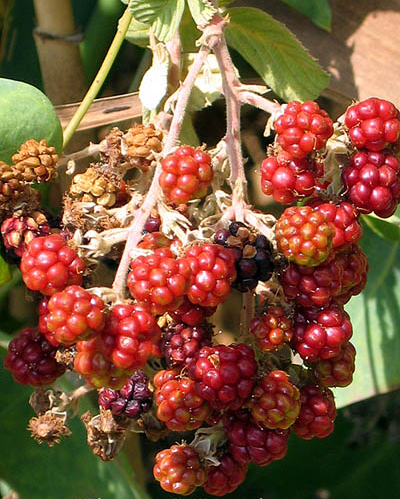
In Yalkut Shimoni the burning bush is called a sneh, and identified as Wild Blackberry or Holy Bramble. A man can put his hand into the sneh without harm because the thorns face down, but when he tries to withdraw it the thorns grab him and he is unable to take it out. We are the burning bush.
We are burning but we are not consumed.
We are burning with fury
We watched October 7 on our phones, as the terrorists filmed it live, and as friends and family began to stream it to us and as our feeds flooded us with savagery and torment and horror. We burn with unholy desires, with an urge to wipe out, to destroy, to utterly erase the name of the enemy. We burn, but we are not consumed by fury.
We are burning with pain
Every anniversary of the hostages sentence, 10 days, 30 days, 100 days, 700 days, we are consumed with pain. Stickers on train stations record the all too brief lives of soldiers fallen in this horrible war which is decimating an entire generation. We are in pain, and we cry out – how can we not be eaten up with this? But we are not consumed.
We are burning with rage
In December 2024 I stood with hundreds of others in shock at the site of the Adass Yisroel synagogue – burned to the ground by hatred and now, we understand, possibly targeted by Iran. It doesn’t matter that it wasn’t my shule; it is our community, targeted right in it’s heart, and when I stood on the grass of the memorial opposite it, I was joined by Jews of all kinds – Bundist, Zionist, atheist, frum – equally raging as though the fire of Adass’ burning was still before our eyes, yet we were not consumed.
We are burning with righteous indignation
“There is no place for any type of hate in Australia,” said Home Affairs Minister Tony Burke ahead of the anti-immigration rallies. “There is no place for people who seek to divide and undermine our social cohesion.”
And yet, as Julie Szego writes “such people commandeer the CBD most weekends, marching with foreign flags and every so often flags of terror organisations. Anti-Semitism simmers beneath the surface of the “Free Palestine” movement, boiling over with disturbing frequency. Placards featuring the Star of David as a swastika; chants of “Death to the IDF”; the targeting of Jewish philanthropists and businesses, such as the Israeli restaurant Miznon, and even Starbucks or Myer; the atrocious intimidation of academics and MPs, provocations in heavily Jewish suburbs such as the Gaza flotilla solidarity rally in Bondi Beach on Father’s Day.”
We burn with the injustice of protests joined by people who know nothing of our story, and care less for nuance and complexity. Yet we are not consumed.
We are burning with shame
Yes, we are also burning with embarrassment, when some of our leaders utter genocidal comments, even if not reflective of the whole country. According to Israeli NGO Yesh Din, just three per cent of investigations into accusations of settler violence lead to full or partial convictions – and most cases are never reported or investigated. The picture is similar for violence committed by soldiers, and in the rare case where soldiers have been convicted, they have received lenient sentences. When our leaders encourage violence and speculate about permanent displacement, we are burning with shame.
We are burning with anguish
For the starving people we see on our screens and for the sense that this has all gone on too long and cost so much. For the sense that we are trapped in a cycle of violence and horror that has no end.
We are burning with passion
We burn with the desire to help, and the energy to take on some of the load with our family in Israel. We volunteer – here and there – we make soup, we buy batteries and mattresses, we tourn out in solidarity and come together in mourning. We sing Hatikvah with full throats, and we cry, and we pray, and there is a terrible beauty in the temporary strength we find in one another’s embrace.
We share good news stories and we go see Israeli comedy, and we pledge to love ourselves in this time where we feel so alone, and in finding joy in togetherness, we are not consumed.
We are burning, and we are not consumed.
The recent anthology of Australian Jewish women’s voices, published as Ruptured, has a common theme of “Hineni” – Here I am.
Despite the fury, pain, rage, and the righteous indignation and the shame and the anguish and the passion…
Despite the burning – Hineni – answered Moshe
Despite all that burns within us – Hineh anachnu – Here we are.
Am Yisrael Chai
